Бичил мэдээ
Шинэ мэдээ
Их уншигдсан

АУДИО
ABBA - I Do, I Do, I Do, I Do
АРХИВ
September 2026
| Su | Mo | Tu | We | Th | Fr | Sa |
|---|---|---|---|---|---|---|
 | Монгол | 12.00% |
 | Австрали | 4.35% |
 | Швейцарь | 0.0% |
 | Канад | 2.25% |
 | Япон | 1.0% |
 | БНХАУ | 3.0% |
 | Англи | 3.75% |
 | АНУ | 3.75% |
 | ЕХУ | 2.40% |

| Su | Mo | Tu | We | Th | Fr | Sa |
|---|---|---|---|---|---|---|
| Монгол | 12.00% |
| Австрали | 4.35% |
| Швейцарь | 0.0% |
| Канад | 2.25% |
| Япон | 1.0% |
| БНХАУ | 3.0% |
| Англи | 3.75% |
| АНУ | 3.75% |
| ЕХУ | 2.40% |
On December 12, pursuant to Resolution No. 62 of the State Great Khural (Parliament) of Mongolia, the evidentiary review hearing conducted by the Temporary Oversight Committee tasked with examining documents and activities related to ensuring Mongolia’s national interests and increasing the benefits derived from the exploitation of the Oyu Tolgoi group of deposits, established on July 5, 2025, came to an end.
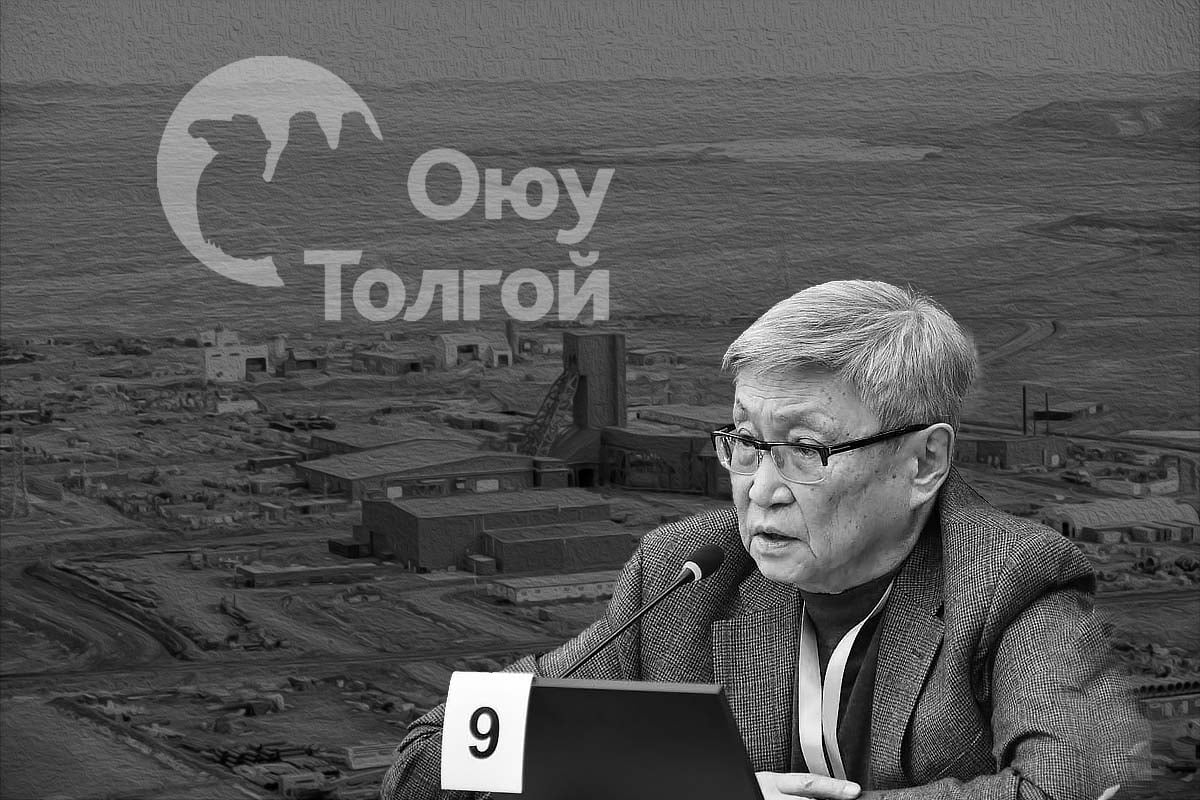
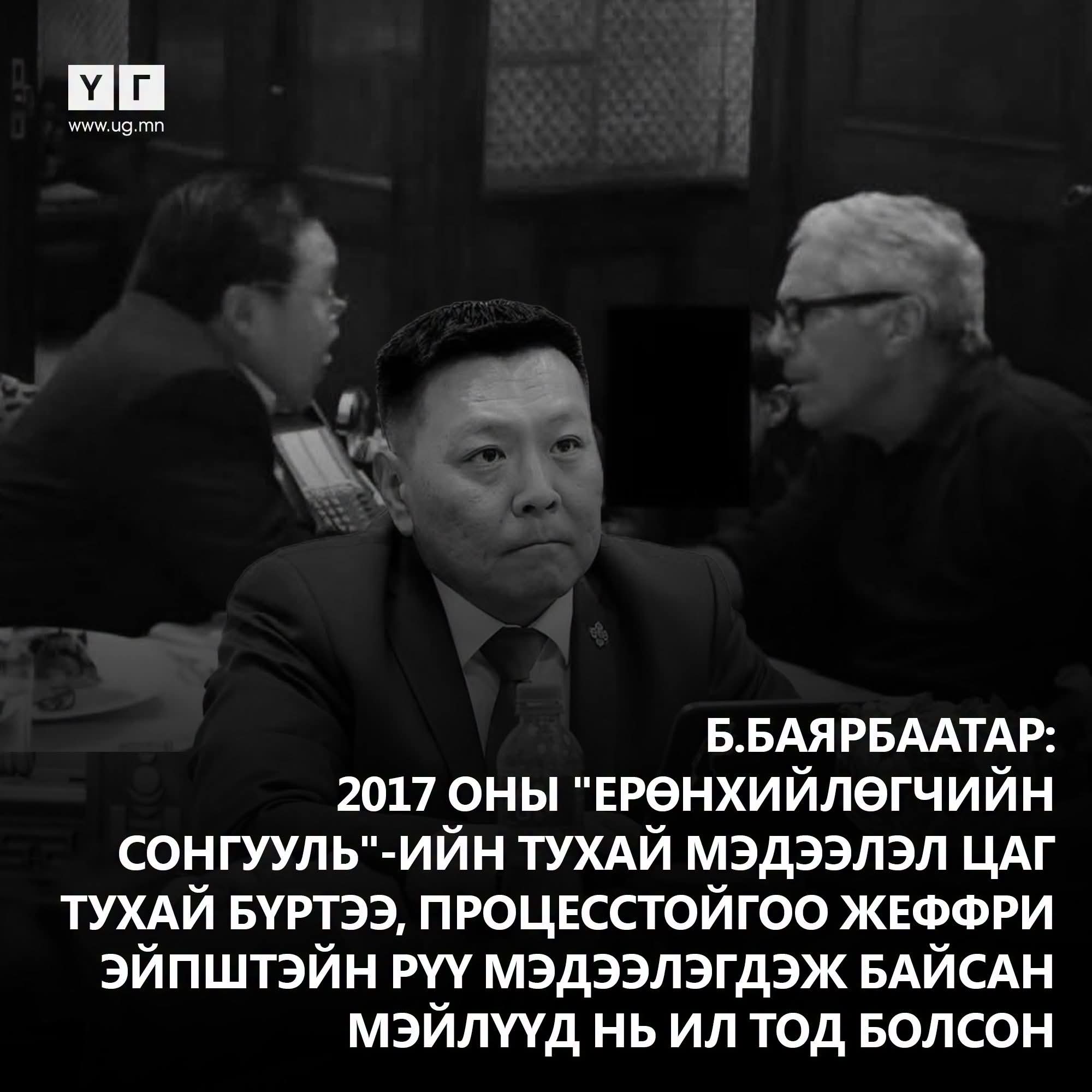
The most eagerly anticipated participant of the hearing was former Prime Minister Sanjaagiin Bayar. From the very first day he was summoned, he openly expressed opposition to the hearing. He even publicly declared that he would not attend at all.
Sanjaagiin Bayar:
“300 witnesses. Nine prime ministers. A bazaar, a train station… a few nobodies showing off on the background of people like us. That’s how they think. But sorry. We have no time to be detained by you. If you have specific questions for me, send them in writing. If there is substance, I may respond.”
It appears that, over time, truth does indeed surface. What happened in 2010—when the government led by Sanjaagiin Bayar signed the Oyu Tolgoi Investment Agreement (tragically, even calling it an “usurious agreement” today would not be an exaggeration)—has long been known to the Mongolian public. But yesterday, the entire nation was reminded once again, with unmistakable clarity, watching it unfold openly before everyone’s eyes, almost like a scene from the film “Garid Magnai.”
Had former Prime Minister Sanjaagiin Bayar—who played a leading role in negotiating and signing the Oyu Tolgoi Investment Agreement—failed to appear at the parliamentary hearing, he would have been subject to compulsory community service under Article 1.2 of the Law on Violations. Given that Ulaanbaatar’s streets are buried under snow every December, perhaps he would have been clearing snow from the city’s roads and sidewalks.
However, seeing the politicians of his own era—those who helped prove how “unscrupulous” he truly was—left him with no alternative but to appear. This time, unlike in 2010, when he resigned just three weeks (21 days) after signing the agreement and managed to slip away, he neither could nor dared to evade the hearing.
Arrogantly looking down on the young members of parliament who organized the hearing, accusing them of trying to boost their own reputations by stepping on his name, Bayar was ultimately compelled—by the demands of both the Mongolian people and the younger MPs—to attend.
Even the most shameless individual finds it difficult to resist public demand. Especially for someone who had taken personal responsibility for the Oyu Tolgoi Investment Agreement, declaring that he would answer for it with his own head, this hearing left him no choice but to appear.
Former political leaders who once saw themselves as “superb and unmatched” seem trapped in their era. Failing to recognize that today’s youth are advancing with entirely new thinking, new dreams, and new determination would be deeply unfortunate.
From the statements made by former Prime Minister Sanjaagiin Bayar and former Finance Minister S. Bayartsogt at the hearing of the Temporary Oversight Committee established under Resolution No. 62, one fact became abundantly clear: at the time, Bayar’s health condition was extremely severe.
He was reportedly so ill that he carried out his duties from a hospital bed for at least one year and six months. Bayar himself explained this in detail during the hearing. If his condition was truly that serious, then why did he stubbornly refuse to step down and seek treatment earlier? It is evident that he was waiting for one thing—the signing of the Oyu Tolgoi Investment Agreement.
Sanjaagiin Bayar:
“Why did I resign on October 28, 2010? I do not wish to dwell on my personal health issues. From the spring of 2009 onward, I carried out my duties as Prime Minister from the hospital. Members of my Cabinet, MPs, and members of the working groups know this well. I did not miss a single Cabinet meeting. I fulfilled my duties to the best of my ability. I spent most of my time in the hospital, preparing for a liver transplant. People from that time know that I sat in my office connected to IV drips. When the opportunity arose to conclude this agreement, I clenched my teeth and resolved to sign it while I was still Prime Minister. I thought we might finish it by September. We didn’t make it then—we finalized it in October. What politician voluntarily resigns when things are going well? My work was proceeding successfully. From the ‘Atar’ agricultural campaign to Tavan Tolgoi and Oyu Tolgoi, of course I wanted to conclude these matters. Illness does not ask before it comes—it strikes suddenly. Today I would rather not speak of personal matters, but since I was asked, I must say that the State Great Khural discussed my resignation letter, and I explained my reasons from the parliamentary rostrum.”
Just 21 days after the Oyu Tolgoi Investment Agreement was signed—before the ink on the pen had even dried—it appears that Bayar no longer felt any attachment to Mongolia, nor any reason to cling to the office of Prime Minister.
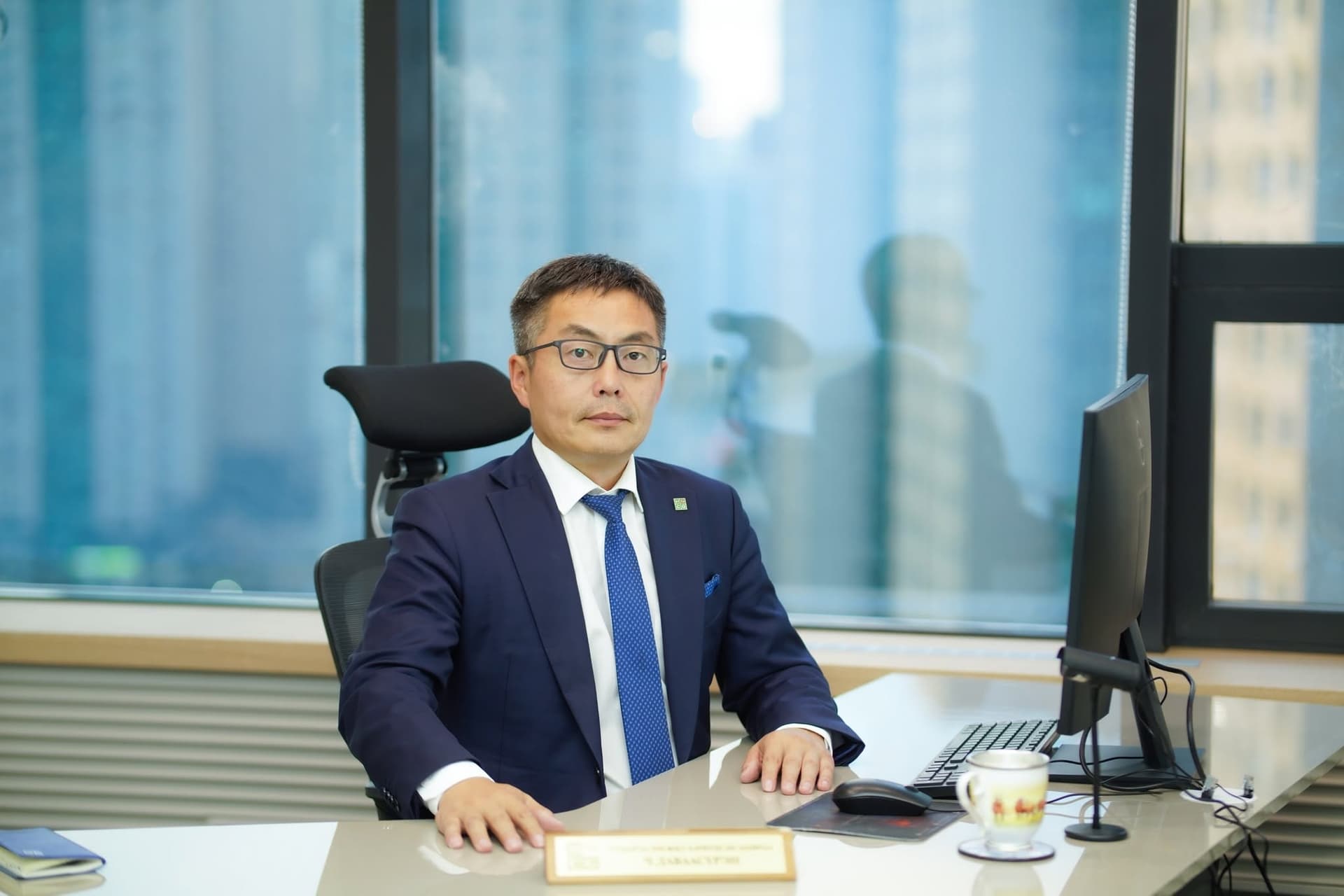
Судалгаа, зөвлөх үйлчилгээний Эм Эм Си Жи ХХК-ийн Гүйцэтгэх захирал, Бизнесийн удирдлагын магистр (MBA) Ч.Даваасүрэн:
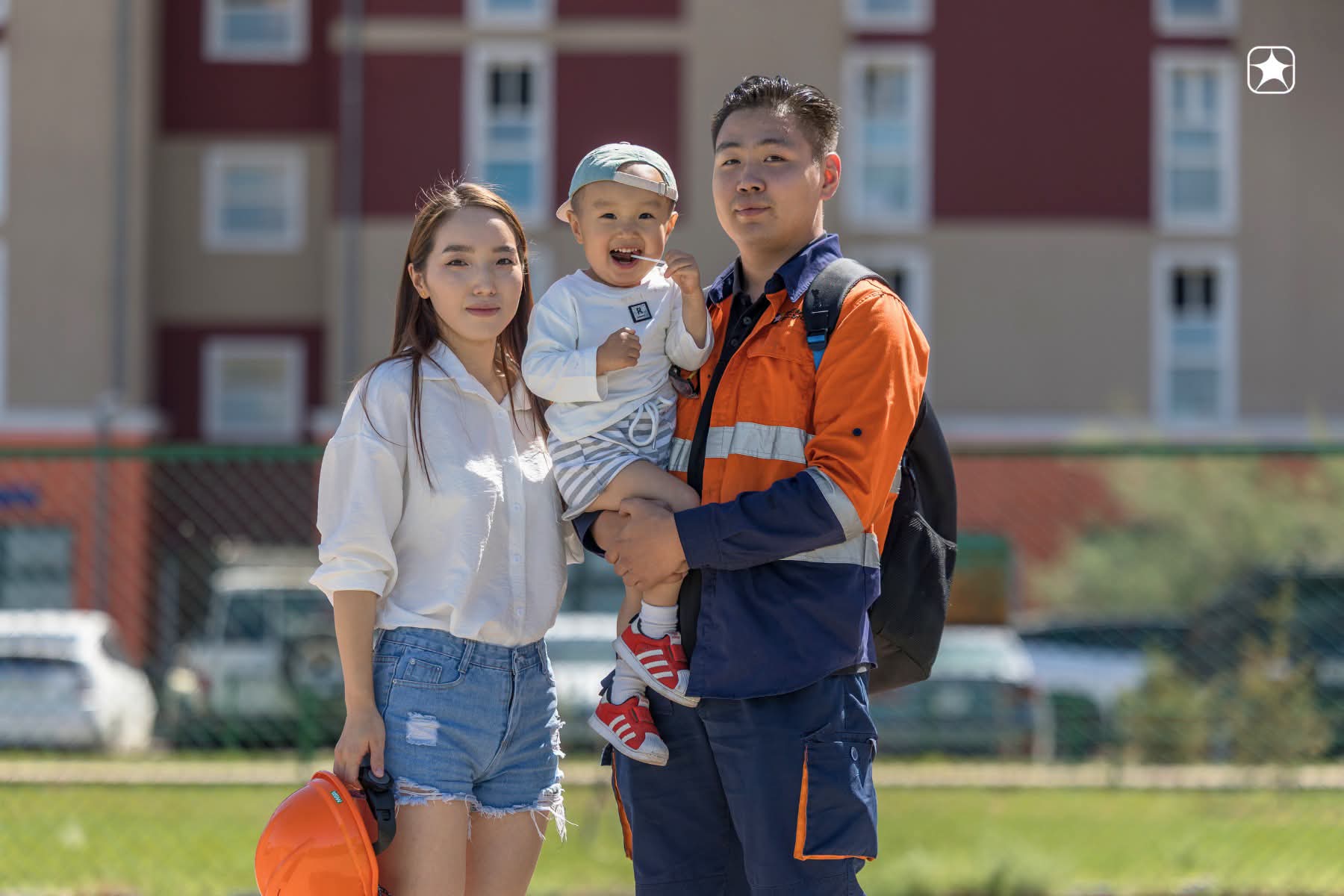
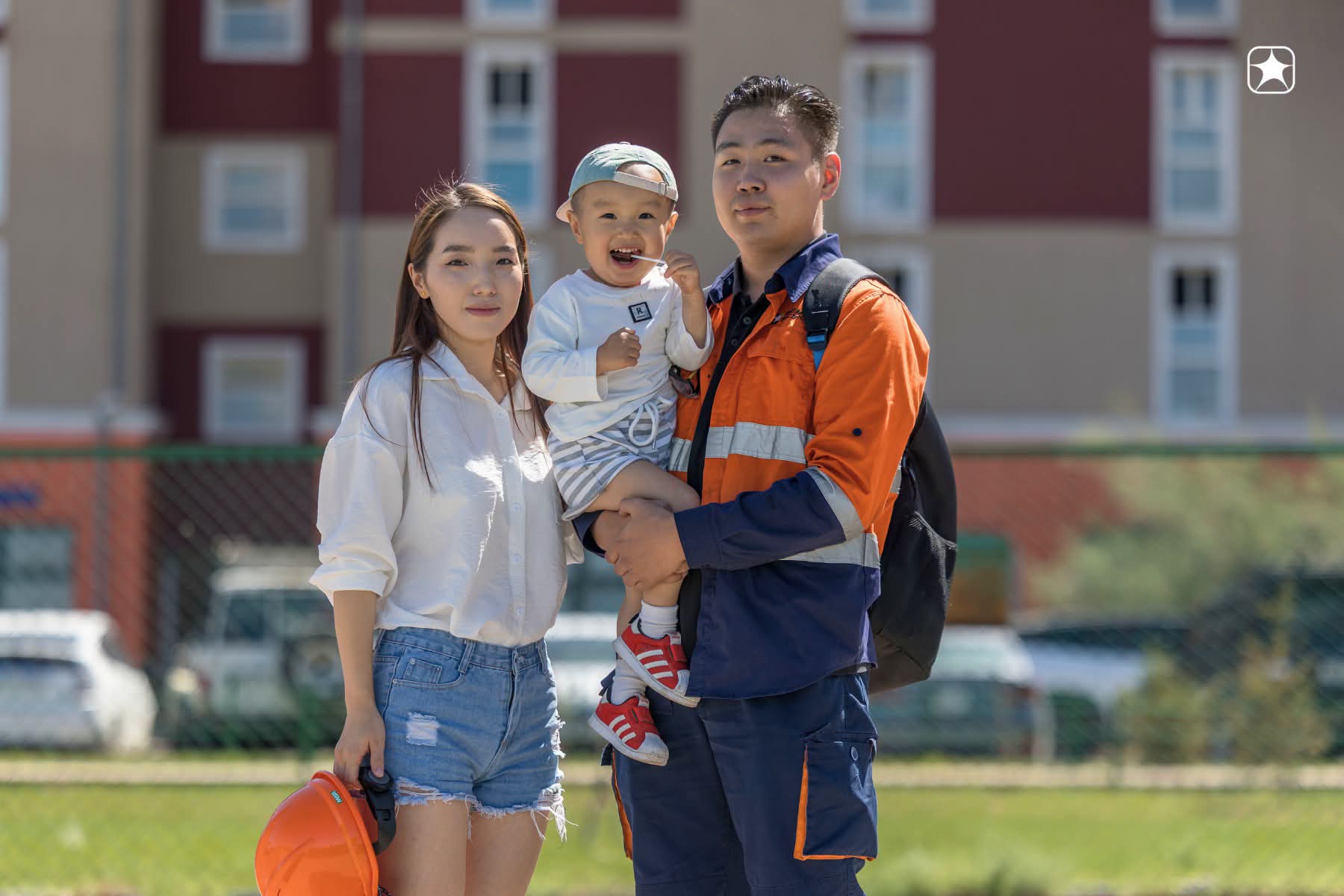
🌞Ухаа худаг цогцолборын “Цэций” орон сууцны хороолол болон “Уурхайчин” гэр хороололд нийт 1,000 гаруй залуус гэр бүлийн хамтаар cуурьшин ажиллаж, амьдарч байна. 🍂👷👷♀️
He handed over the premiership to Sükhbaatar Batbold, citing health reasons. Only then did the Mongolian people learn how gravely ill he had been up until his resignation—something that had apparently been carefully concealed beforehand.
If Bayar’s life truly hung by a thread when he signed this agreement so crucial to Mongolia’s development, why was he so determined to conclude it himself? Why could he not step aside and allow a healthier leader to handle it? Did he have some overriding personal reason?
These questions demand answers.
While on an official visit to Japan, Bayar learned that the State Great Khural had passed Resolution No. 57. He immediately abandoned the remainder of his visit and returned to Mongolia. During the hearing, he himself revealed that the real reason for this breach of diplomatic protocol—an act that placed Japan’s Prime Minister, one of Mongolia’s closest friends, in an awkward position—was specific provisions included in that resolution.
Sanjaagiin Bayar:
“I believe this was the first time in Mongolia’s history that an official visit was cut short. Leaving on the third day of formal talks meant something serious had occurred, so I returned with my core team.”
At the time, Mongolia was not facing war, unrest, natural disaster, or mass protests. Therefore, this was an extraordinary and inappropriate action for a Prime Minister.
Sanjaagiin Bayar:
“Resolution No. 57 was shocking news for a Prime Minister. The government was working to secure maximum benefit. There was no requirement that ‘34 percent must be taken’; the understanding was that it would not apply. The reference to 50 percent in Clause 3 of Resolution No. 57 had no legal basis. We were bewildered as to why such a provision was passed while the Prime Minister was abroad.”
Former Speaker of Parliament D. Demberel:
“Clause 1 of Resolution No. 57 states that the minimum state ownership in Oyu Tolgoi shall be set at 34 percent. I personally do not consider this clause to be unlawful. It was adopted in accordance with the Minerals Law.”
That the head of the executive branch publicly judged a resolution of the supreme legislative body as right or wrong—effectively siding with the company he was negotiating with—suggests that Bayar was an exceedingly “big-headed” Prime Minister. It is widely known that leaders of the MPP have often displayed such an attitude, placing themselves above the law.
Through his own words, Bayar effectively confirmed that in 2009 he ignored Resolution No. 57 and signed the investment agreement regardless.
Had that resolution been respected, Mongolia would likely be receiving dividends today.
Bayar, former Finance Minister S. Bayartsogt, Minister of Minerals and Energy D. Zorigt, and Minister of Environment and Tourism L. Gansükh—all bear responsibility. By omission, they allowed a gravely ill man to lead the process.
In truth, they should have:
Prevented Bayar from participating in the agreement on humanitarian grounds.
Immediately removed him from the process to avoid the risk that a desperate, terminally ill man might commit actions detrimental to the nation.
As any gravely ill person would naturally think of their children’s future, suspicions persist—echoed by former Speaker Z. Enkhbold and Justice Minister B. Enkhbayar—that by signing the Oyu Tolgoi agreement, Bayar may have granted preferential rights to Petrovis, enabling his children to acquire numerous high-value properties in the United States. Let us say only: it is possible.
Former Speaker Z. Enkhbold:
“Petrovis, a company run by Bayar’s friend, supplied the diesel fuel. Petrovis CEO Davaanyam gave Bayar a $10 million bribe and bought ten houses in the U.S.—for which he served time. Because of people with such conflicts of interest, Mongolia has paid more in management fees than it has received in taxes. Everyone involved in the agreement received something.”
If Enkhbold’s statement is false, then he has defamed Bayar and Bayartsogt, in violation of Article 21.2 of the Civil Code of Mongolia.
21.2. If a person disseminates information that damages another’s name, honor, dignity, or business reputation and cannot prove its accuracy, they shall, at the request of the injured party, retract the information using the same or an equivalent means.
At the hearing, Enkhbold explicitly testified regarding alleged bribery received by Bayar and Bayartsogt.
Had Bayar not signed the agreement after Resolution No. 57 in July 2010—had he stepped down due to illness—today’s situation might have been very different.
We write about citizen Sanjaagiin Bayar today because Mongolia is still negotiating with Rio Tinto over Oyu Tolgoi. Any minister currently suffering illness must not place personal interests above national ones. Otherwise, they will stand condemned by future generations.
MP and Chair of the Temporary Committee O. Batnairamdal:
“If we are to talk about solutions, we must first acknowledge mistakes. Correcting mistakes begins with admitting them. That is why we must examine whether the Oyu Tolgoi Investment Agreement was lawful at its inception 16 years ago, what happened afterward, what omissions occurred, and what consequences followed. Only by understanding this comprehensively can we talk about the future.”