Бичил мэдээ
Шинэ мэдээ
Их уншигдсан


АУДИО
ABBA - I Do, I Do, I Do, I Do
АРХИВ
September 2026
| Su | Mo | Tu | We | Th | Fr | Sa |
|---|---|---|---|---|---|---|
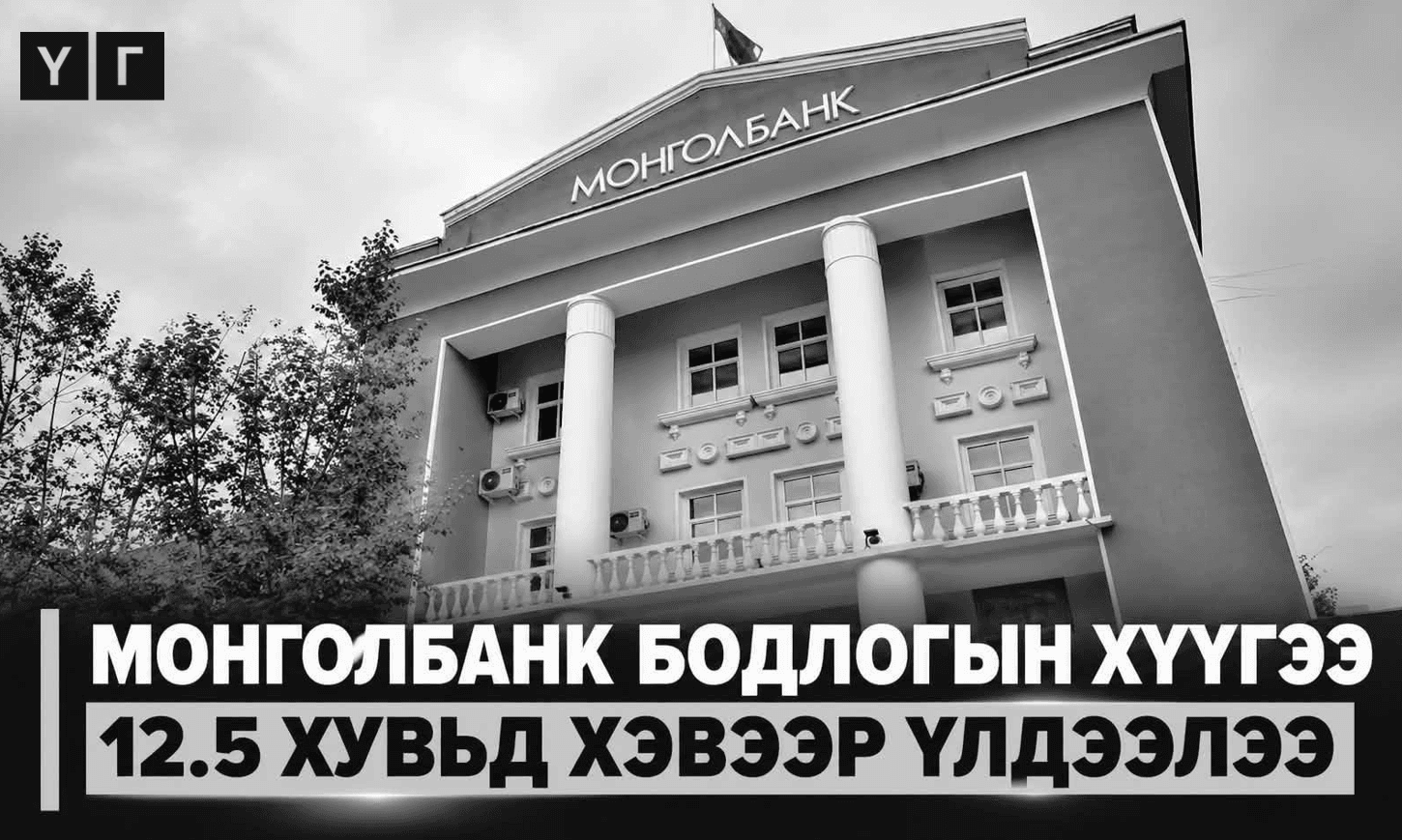
 | Монгол | 12.00% |
 | Австрали | 4.35% |
 | Швейцарь | 0.0% |
 | Канад | 2.25% |
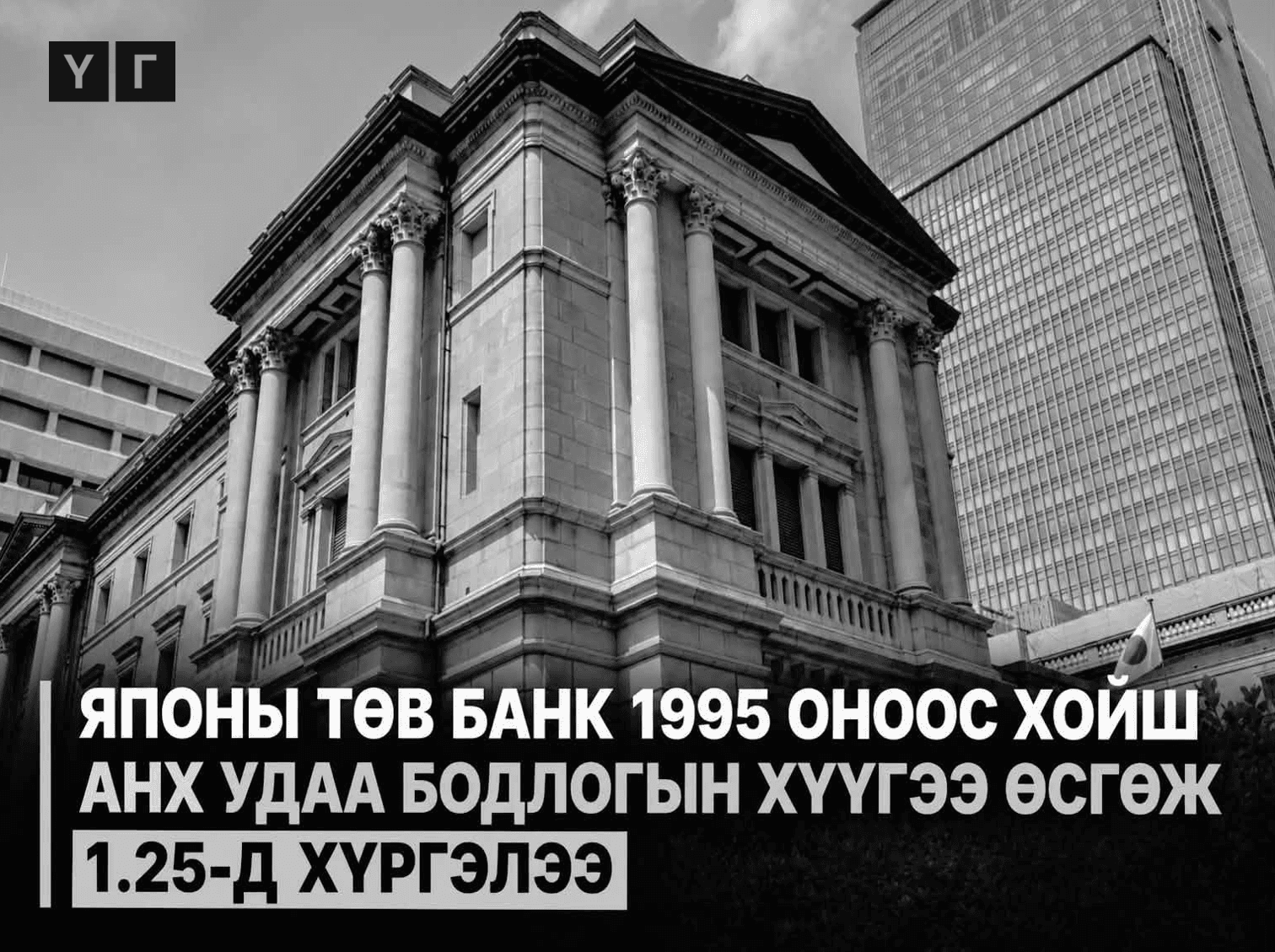
 | Япон | 1.0% |
 | БНХАУ | 3.0% |
 | Англи | 3.75% |
 | АНУ | 3.75% |
 | ЕХУ | 2.40% |

| Su | Mo | Tu | We | Th | Fr | Sa |
|---|---|---|---|---|---|---|
| Монгол | 12.00% |
| Австрали | 4.35% |
| Швейцарь | 0.0% |
| Канад | 2.25% |
| Япон | 1.0% |
| БНХАУ | 3.0% |
| Англи | 3.75% |
| АНУ | 3.75% |
| ЕХУ | 2.40% |
If Ulaanbaatar city authorities truly wish to preserve urban culture, they should not erase history but rather adapt the TUK to modern conditions, ensuring it is aesthetically pleasing and safe. That would be the right path forward. Today, kiosk owners are saying, “Give us the standard requirements, and we will build TUKs that meet them. We will run our small and medium-sized businesses like CU and GS25, but without night-time surcharges, serving the public.”
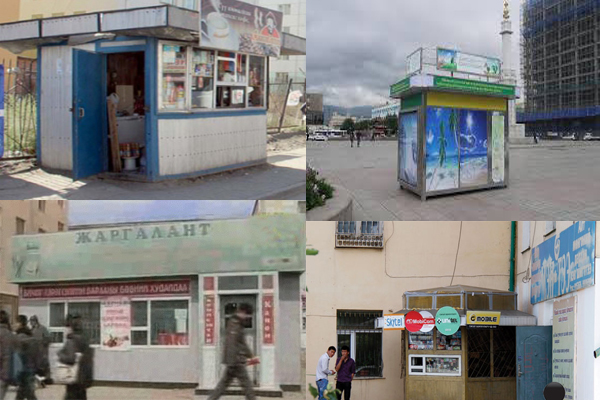
At present, there is heated debate on social media and in the press about the “TUK.” Critics claim it does not fit with the city’s appearance and cultural space. But the TUK is not merely a small retail point — it is part of the life and business development history of Mongolians, especially the residents of Ulaanbaatar.
“The TUK Belongs to Mongolians — and Above All, to Ulaanbaatarians”
After the Democratic Revolution of the early 1990s — the Year of the White Horse — the very first piece of “real estate” created by citizens was the TUK. This small, roughly 4-square-meter wooden box became the starting point for many people’s first independent business venture. Whether you were from the countryside moving to the capital or a native city-dweller, the TUK played a crucial role in helping you improve your livelihood through your own effort.
In those years, places like Sansar Tunnel, the First Microdistrict, the 120 Myangat area, the Lion Bridge, and Doloon Buudal became entire “streets of kiosks,” serving as commercial hubs of Ulaanbaatar. Imagine this: from the bus stop behind Sansar all the way to the East Four Intersections, TUKs lined both sides of the road without interruption! Compared to the sheer density of kiosks back then, today’s CU and GS25 chains are like a grain of rice next to a football.
Судалгаа, зөвлөх үйлчилгээний Эм Эм Си Жи ХХК-ийн Гүйцэтгэх захирал, Бизнесийн удирдлагын магистр (MBA) Ч.Даваасүрэн:
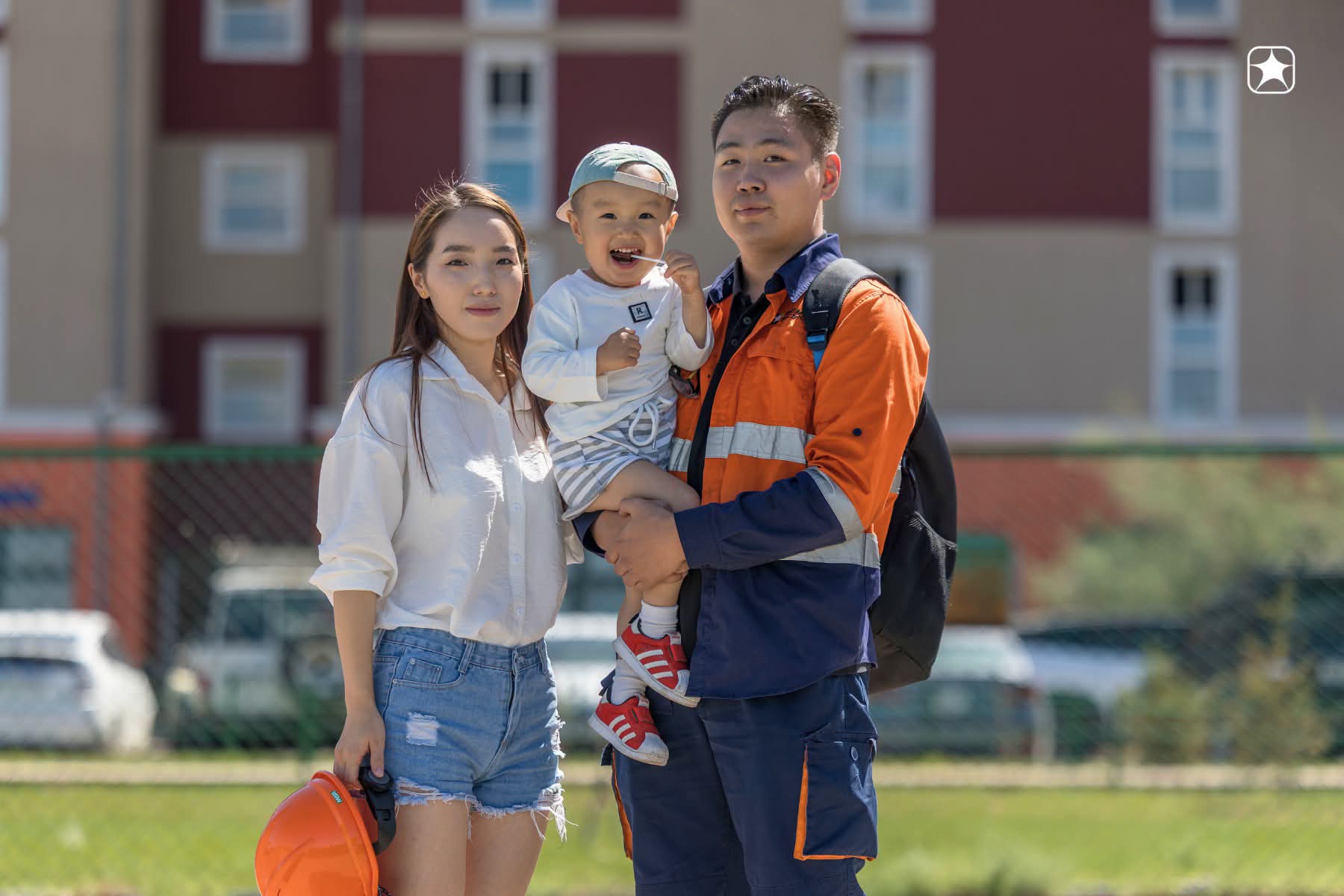
🌞Ухаа худаг цогцолборын “Цэций” орон сууцны хороолол болон “Уурхайчин” гэр хороололд нийт 1,000 гаруй залуус гэр бүлийн хамтаар cуурьшин ажиллаж, амьдарч байна. 🍂👷👷♀️
The TUK was more than a shop. It played an essential role in overcoming the shortages and rationing of the 1990s. Without walking half a kilometer or standing in long queues for hours, you could buy sugar, bread, cigarettes, biscuits, stationery, and other daily necessities right from a TUK.
Back then, TUK owners would haul their goods from nearby markets — often on foot, without a vehicle — sometimes running between locations. There was no delivery service like we have today.
“The TUK — Our Cherished Memory…”
It was from the TUK that a new culture of serving and being served began for the city’s residents. Yet the business path of kiosk owners was never smooth. Some public figures have recounted how kiosk owners faced theft, bullying, and even robbery by drunkards, vagrants, or students.
The TUK is a small yet deeply significant “symbol” that supported Mongolians through difficult times. It was not only a point of sale but the livelihood source for thousands of families — a place where many businesspeople, politicians, bankers, and engineers began their careers or earned money to pay for their education.
Today, foreign retail chains like CU and GS25 occupy nearly every city street. But we must not forget our own history — our TUKs. Erasing them and worshipping foreign chains is like erasing our own biography, the memories of native Ulaanbaatar citizens.