Бичил мэдээ
Шинэ мэдээ
Их уншигдсан



АУДИО
ABBA - I Do, I Do, I Do, I Do
АРХИВ
September 2026
| Su | Mo | Tu | We | Th | Fr | Sa |
|---|---|---|---|---|---|---|
 | Монгол | 12.00% |
 | Австрали | 4.35% |
 | Швейцарь | 0.0% |
 | Канад | 2.25% |
 | Япон | 1.0% |
 | БНХАУ | 3.0% |
 | Англи | 3.75% |
 | АНУ | 3.75% |
 | ЕХУ | 2.40% |


| Su | Mo | Tu | We | Th | Fr | Sa |
|---|---|---|---|---|---|---|
| Монгол | 12.00% |
| Австрали | 4.35% |
| Швейцарь | 0.0% |
| Канад | 2.25% |
| Япон | 1.0% |
| БНХАУ | 3.0% |
| Англи | 3.75% |
| АНУ | 3.75% |
| ЕХУ | 2.40% |
“In the cauldron of hell, no matter how hot or big it is, one should not pull down those who climb up, but instead support them to the top.”
– From a Mongolian folk parable
Although it lost the 2024 parliamentary election, the Democratic Party (DP) was given a historic opportunity to serve in the government. By joining the Cabinet, the party had a golden chance to restore its badly damaged reputation, compete through policy, assume responsibility, place its unemployed members in public service to accrue years of service, and reap benefits both for the state and the party. However, the foolish tendency of being unable to tolerate the success of one’s own has once again consumed the DP. This has further deepened internal disunity and is now burning down a party that had just begun to unite.
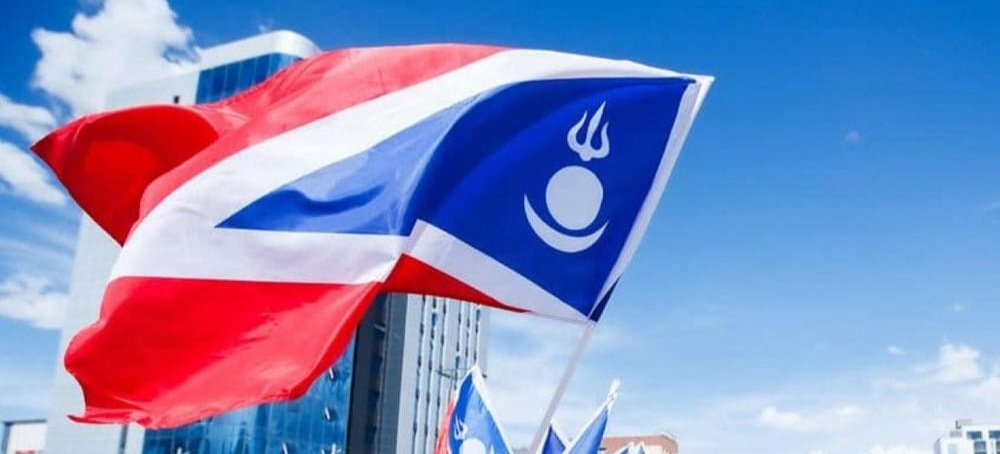
Some within the party, seeing their colleagues “feasting” while their own “bowls are empty,” were driven by resentment to withdraw from government and become the opposition.
This was not a clash of political ideology but simply a struggle over power, vested interests, the courage to support one another and advance together, and a profound crisis of trust.
What the DP truly needed was a policy platform that resonated with the younger generation and met the needs of society, along with new leadership. Yet to this day, the mistakes of 2012–2016, the defeats of 2016 and 2020, and the fiasco of the 2021 presidential election have left the party even more “impoverished and hungry.”
The position expressed by some DP members — “It’s better if we are in opposition” — is less a strategic stance than a short-sighted, emotion-driven political decision. Over the past 30 years, the DP has degraded from a policy-driven party into a faction of dissenters built on personal leadership and mutual misunderstanding.
The habit of dragging one another down in order to climb up oneself does not lead the DP to victory — it only perpetuates a tradition of sacrifice.

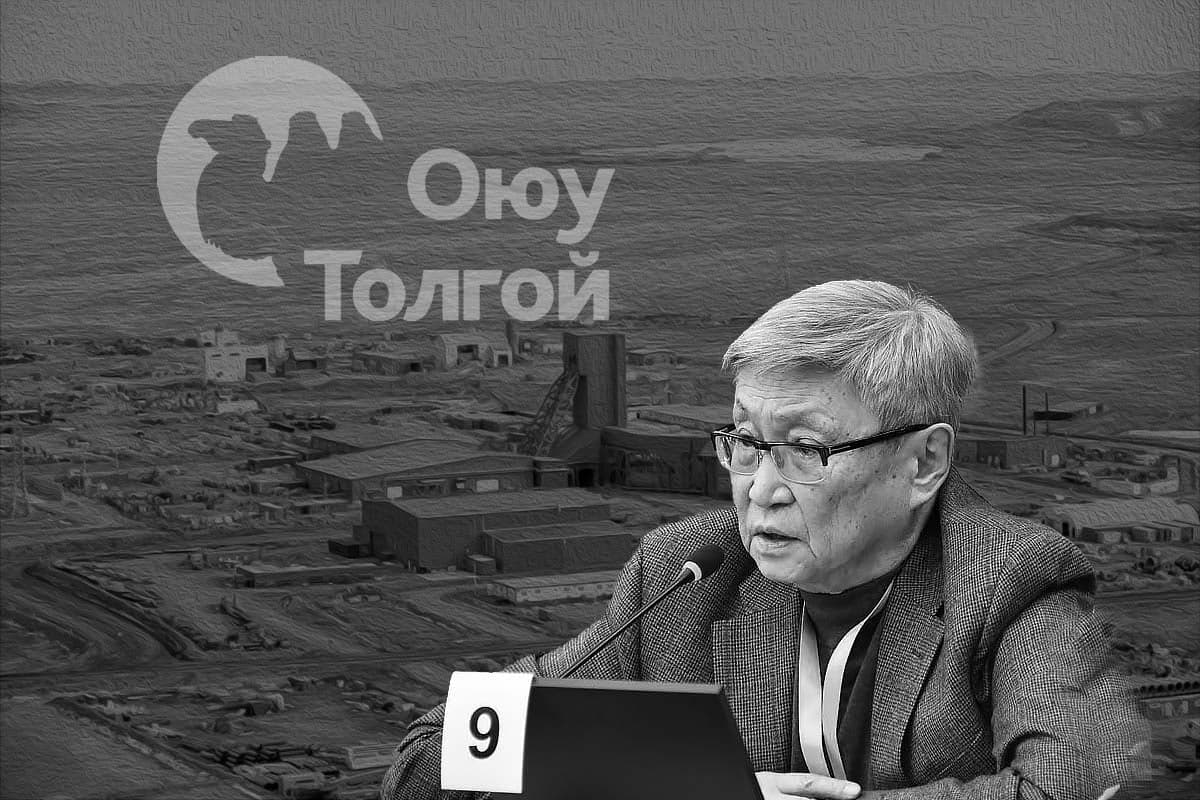
Судалгаа, зөвлөх үйлчилгээний Эм Эм Си Жи ХХК-ийн Гүйцэтгэх захирал, Бизнесийн удирдлагын магистр (MBA) Ч.Даваасүрэн:

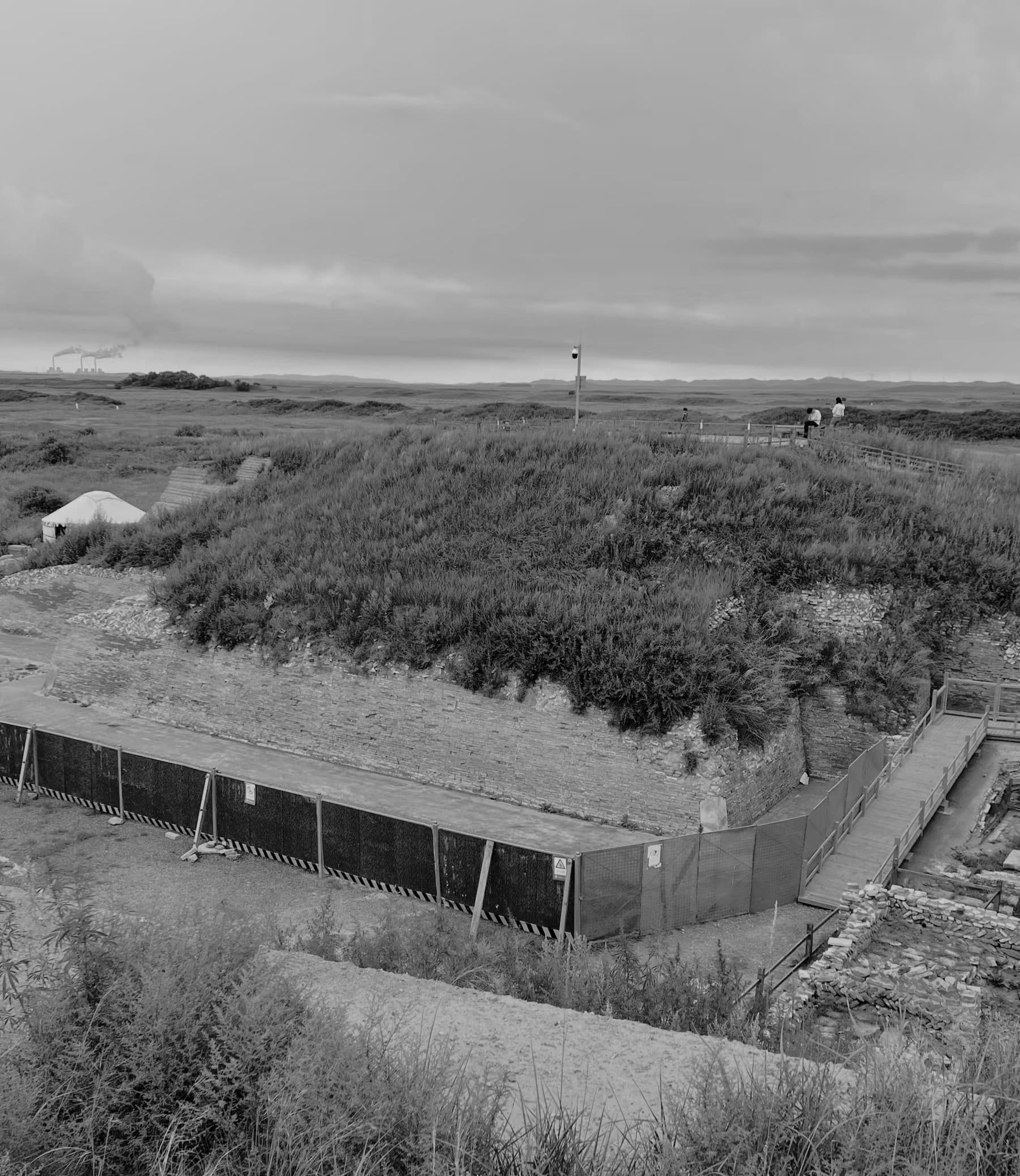
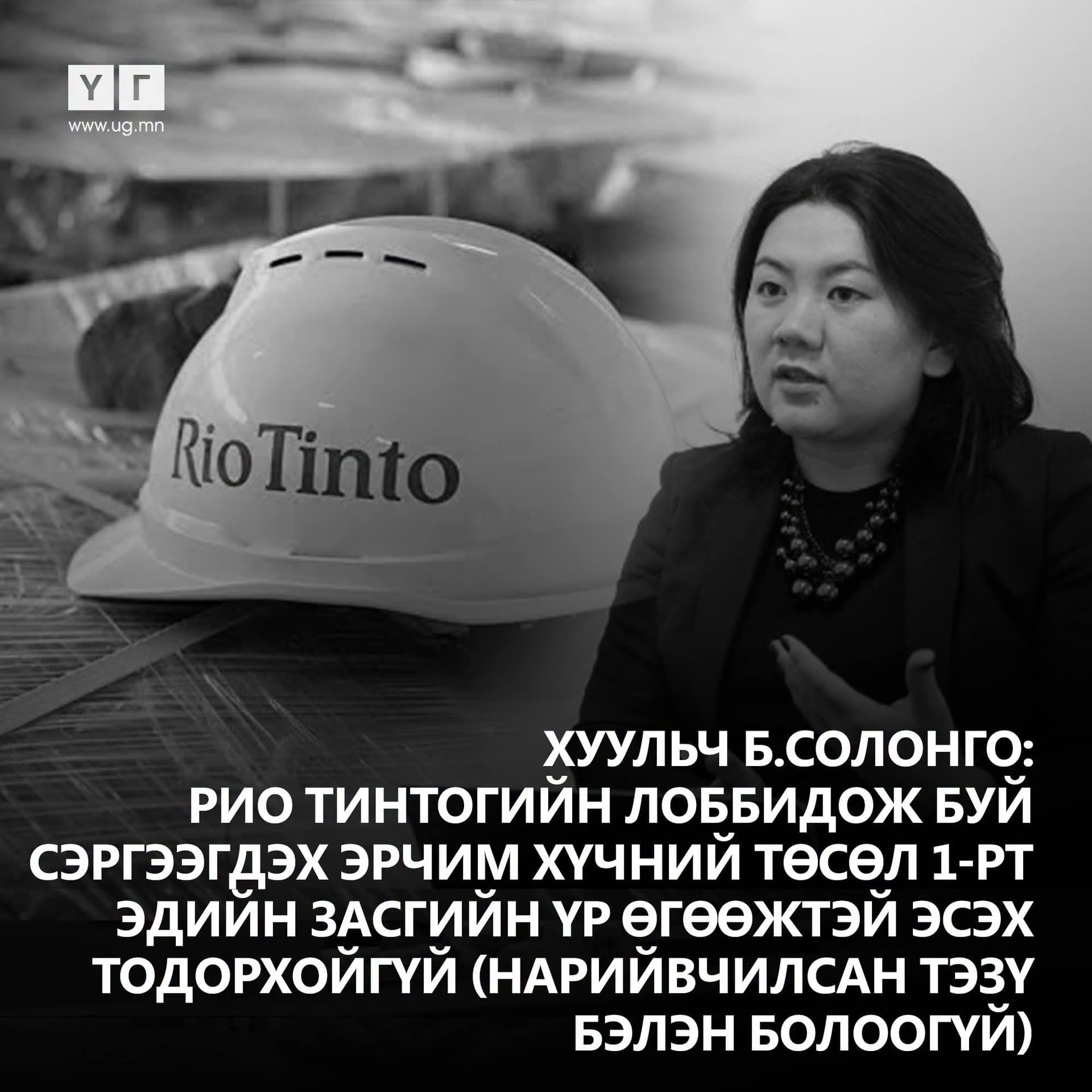
🌞Ухаа худаг цогцолборын “Цэций” орон сууцны хороолол болон “Уурхайчин” гэр хороололд нийт 1,000 гаруй залуус гэр бүлийн хамтаар cуурьшин ажиллаж, амьдарч байна. 🍂👷👷♀️
Years of accumulated distrust, unstable leadership, and a chronic lack of consistent policy have broken the party apart, turning it into a collection of factions rather than a political institution. The DP’s political decline stems less from external forces and more from internal strife and a lack of unity — a fact that is now undeniable. It is a tragic irony that the very party that brought democracy to Mongolia can no longer uphold democratic principles within its own ranks.
To recall the numbers:
In the 2020 parliamentary election, the DP won only 11 seats — one of its lowest points. For a party that had 34 seats in 2012, this was the first clear sign of a trust crisis.
In the 2021 presidential election, the DP’s candidate, S. Erdene, received only 6.37% of the vote, placing third — a “zero” in terms of political leadership for the party.
The 2023 dispute over the party chairmanship and seal revealed the complete collapse of institutional norms within the DP.
The DP’s internal factions now act solely to protect their own interests, unable to make decisions that serve the party as a whole — the main driver of its decline.
Political scientist Mancur Olson once observed:
“If a decision does not benefit the individual member, it will not be implemented. As a result, the entire system collapses.”
Mongolian political scientist L. Dashnyam notes:
“Factional disputes in Mongolian parties operate not through mechanisms of trust but through suspicion. A party without trust is not an institution — it is merely a faction.”
If the DP wishes to become an institution again, it must transform into a more ethical, trust-based, transparent, and strategically oriented party. Otherwise, the “cauldron” they now inhabit will only continue to scorch them.
If the DP could realize that it is not only destroying itself but also undermining the entire democratic system, it could escape from the “cauldron of hell.” But the price for that would be the courage to trust one another — a sacrifice they must be willing to make.